Chances are there wasn’t careful planning around variety, freshness, and accessibility, there wasn’t a process defined with the level of detail needed to ensure customers always find what they need. It’s retail strategy that loses direction before it even begins. Simply filling shelves isn’t enough, and adding more products alone won’t solve the deeper issue. True enough, but that’s not all that it takes to create a dependable shopping experience people can trust.
The customers are out there with expectations—to find quality, convenience, and value in one reliable place.
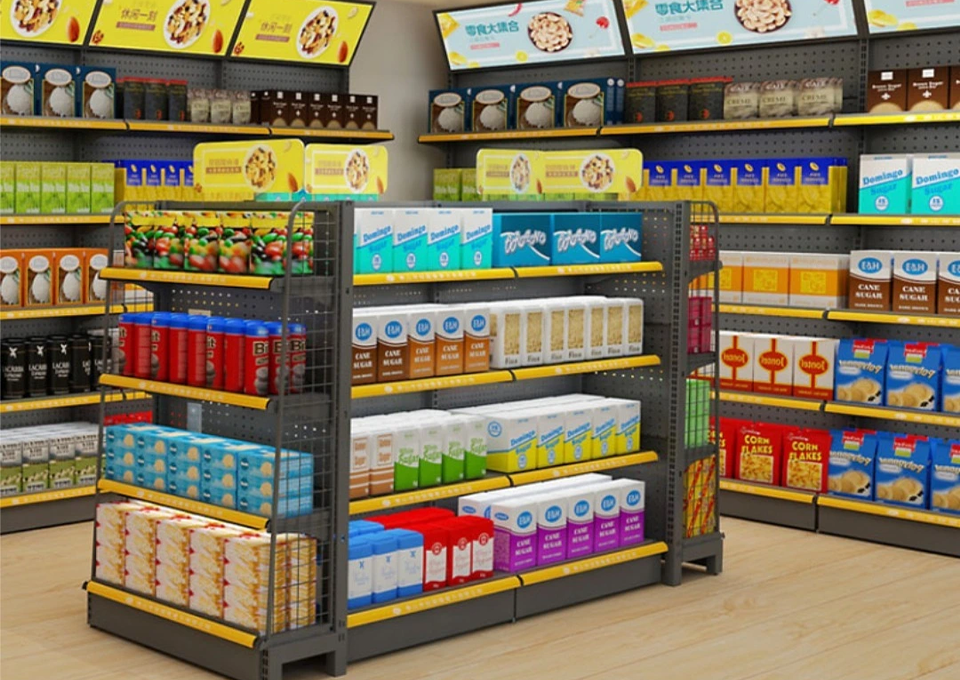
You organized your aisles thoughtfully, selected trusted suppliers, ensured product quality, built an efficient inventory system, and implemented a management process designed to handle everything from daily groceries to specialty household items:
The products you choose to display, the brands you decide to trust, and the layout you create for your customers are all part of your responsibility. But what about consistency? Clean aisles, organized sections, and reliable availability—will your customers feel confident returning again and again?
Retail experts will tell you clearly that customer experience is everything and that availability and presentation cannot be compromised. Not so fast, there are deeper factors at work. The way products are categorized, restocked, and presented is not just about filling space—it’s about building trust and reliability.
Modern super marts operate with structured systems. Professional retail management ensures that different products, categories, and brands can coexist efficiently within the same environment.
When it comes to managing hundreds of grocery items, household essentials, personal care products, and daily necessities, each with different storage needs, shelf lives, and customer demand, small gaps can create bigger problems. Shelves may appear full but lack essentials, or layouts may confuse customers instead of helping them.
This is a complex challenge, but simply increasing stock won’t solve it. Using real customer demand, proper organization, and efficient management systems will help. But to truly deliver excellence, a super mart must operate with consistency, planning, and customer-focused service—ensuring that everything people need is available, accessible, and reliable under one roof.